


What to know before visiting Pantanal
The Pantanal, spanning Brazil, Bolivia, and Paraguay, is the world’s largest tropical wetland and the premier destination for seeing jaguars in the wild. Unlike dense rainforests, the Pantanal’s open marshes, rivers, and grasslands make wildlife more visible, offering exceptional opportunities for photographers, wildlife enthusiasts, and safari travelers.
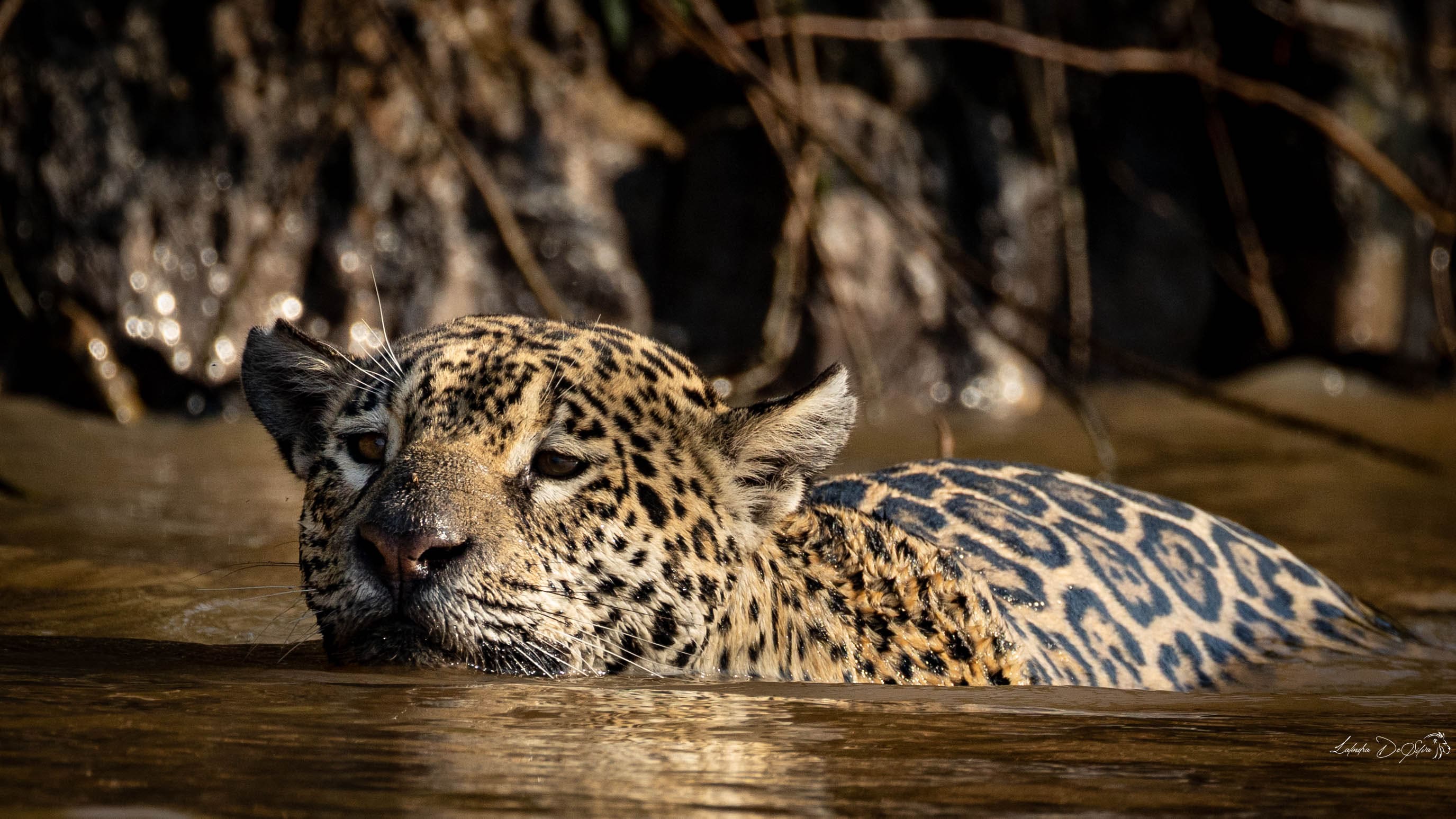
The Pantanal is home to a healthy jaguar population, often spotted near rivers and lakes during the dry season (July–October), when animals congregate around shrinking water sources. Jaguars here are frequently observed hunting caimans, capybaras, or wading through shallow waterways — offering rare, up-close wildlife encounters. Guided boat safaris and river excursions are particularly effective for spotting these elusive cats, while jeep safaris along the wetland roads provide complementary perspectives of jaguar habitats.
Beyond jaguars, the Pantanal boasts extraordinary biodiversity: giant river otters, marsh deer, capybaras, anacondas, and hundreds of bird species, including hyacinth macaws and jabirus. The wetland’s mosaic of rivers, lagoons, forest islands, and open savannah creates a dynamic environment that supports both aquatic and terrestrial wildlife.
Visitors can stay in eco-lodges and remote fazendas (ranches), often operated by expert naturalists who guide guests on day and night excursions, boat trips, and photographic safaris. The Pantanal’s combination of wildlife accessibility, diverse ecosystems, and the thrill of jaguar encounters makes it a bucket-list destination for wildlife tourism worldwide.
